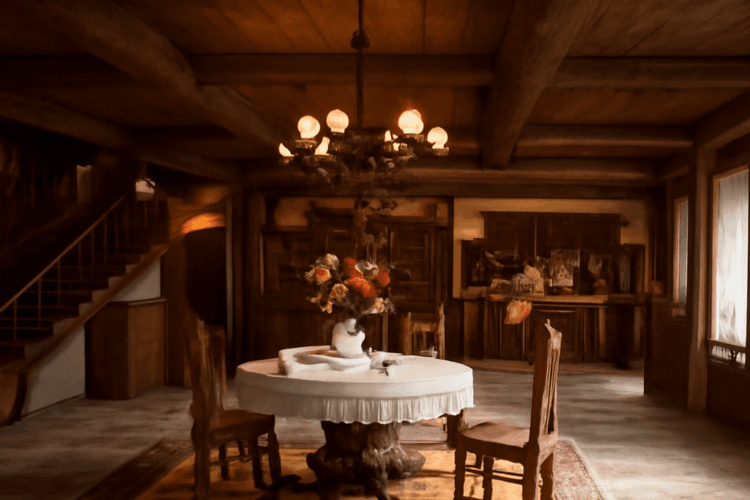
The final fantasy house stands as one of the most bizarre and notorious internet legends in gaming fandom. At its core, it is the real-life story of a group house where passionate Final Fantasy fans blurred the boundaries between fantasy and reality, with manipulation and control at the heart of the experience. The events that unfolded in the early 2000s became infamous for their mix of cult-like behavior, fandom obsession, and psychological manipulation, spreading across forums and blogs as a cautionary tale for online communities.
Though the final fantasy house began as a shared space for like-minded fans, it quickly descended into an atmosphere of coercion and emotional abuse. This story remains a reference point for the dangers of unchecked fandom and group dynamics gone awry, and it continues to spark discussion in gaming culture today.
What was the Final Fantasy House?
The final fantasy house refers to a shared living arrangement that took place in Pennsylvania during the early 2000s, most notoriously around 2002-2004. The house was originally formed by fans of the popular Final Fantasy video game series, particularly those inspired by the characters and themes of Final Fantasy VII. However, what began as a seemingly innocent gathering of enthusiasts quickly transformed into something much darker.
The house’s leaders convinced the residents that they were the real-life incarnations of Final Fantasy characters. Daily life, personalities, and even personal relationships were reinterpreted through the lens of the game. Members were pressured to take on the names, identities, and traits of their assigned characters—often regardless of their own preferences or comfort. Newcomers to the house would be initiated into this system and expected to play along, with leaders maintaining strict control over how the roles played out.
This scenario extended beyond simple cosplay or roleplaying. The environment fostered a dependency on the leaders’ validation, and anyone who questioned the narrative could be ostracized or emotionally manipulated. Reports from former residents described how the leaders would use guilt, gaslighting, and isolation to keep everyone compliant. In short, the final fantasy house became a cautionary example of how groupthink and obsession can escalate into psychological abuse.
The term “final fantasy house” has since entered internet language as shorthand for any fan group or shared living situation that escalates into toxic or cult-like behavior. It is often referenced in discussions about the dangers of insular fandoms, blurred identity boundaries, and online communities lacking outside perspective.
How the Final Fantasy House started and gained notoriety
The origins of the final fantasy house trace back to livejournal and early internet fan communities in the late 1990s and early 2000s. The group’s core members met online, drawn together by their shared love of Final Fantasy VII and its characters. Initially, their chats and friendships revolved around fan theories, role-playing, and creative projects—but as they moved into a house together, the dynamic changed drastically.
Once under the same roof, the group’s sense of fantasy gradually overtook reality. The leaders asserted that they were “soul-bonded” to Final Fantasy characters and that other housemates were destined to represent specific roles. Over time, a system of control emerged. Household routines, finances, chores, and even personal freedoms revolved around this assigned mythology.
Word of the final fantasy house began to spread through online forums and personal testimony. Former residents and visitors began sharing their experiences on sites like Fandom Wank and Something Awful. Detailed accounts highlighted how newcomers were pressured into taking on new identities and subjected to manipulation if they resisted. These stories, along with chat logs and emails, circulated widely, transforming the incident from a local oddity to an internet-wide cautionary tale.
The story gained further traction because it highlighted vulnerabilities that many young, isolated fans might face when seeking community online. The combination of fandom, isolation, and a charismatic authority figure proved to be a potent—and dangerous—mix. The final fantasy house quickly became a symbol of what can go wrong when fantasy and reality are no longer kept separate.
Key people involved in the Final Fantasy House incident
At the center of the final fantasy house were two primary figures: Jen and Renee. Known online as Jenova and Hojo, after characters from Final Fantasy VII, they acted as the house’s leaders and orchestrators. Jen and Renee set the tone for the group, dictating how residents should view themselves and interact with each other. They claimed to have special spiritual connections to their Final Fantasy counterparts, which justified their authority over the house and its members.
Jen was widely seen as the dominant force, possessing a magnetic yet coercive personality. She enforced the idea that she and Renee were reincarnations or “soulbonds” of their chosen characters, and everyone else was expected to fall in line. Renee’s role was often supportive of Jen, backing up her assertions and providing a second layer of control within the group dynamic.
Other residents were assigned specific Final Fantasy characters, frequently based on perceived personality traits, group needs, or even at random. These individuals changed over time as people moved in and out of the house, but their experiences followed the same pattern: initial acceptance, indoctrination into the group’s worldview, and, often, eventual disillusionment or psychological harm.
The most detailed accounts of life inside the final fantasy house come from former residents who eventually left and shared their stories anonymously. Their testimonies describe subtle and overt manipulation, financial exploitation, social isolation, and an atmosphere that punished any sign of dissent. These voices played a crucial role in bringing the incident to public attention and creating a record that would serve as a warning for future generations of fans.
Why the Final Fantasy House became an infamous part of game culture
The final fantasy house became infamous in gaming culture for several reasons. First, it highlighted the fine line between harmless fandom and dangerous obsession. For many, the story serves as a warning about the potential for manipulation and abuse within close-knit online communities—especially those built around shared interests or niche fandoms.
The story’s spread was amplified by the internet’s emerging culture of sharing cautionary tales and “fandom horror stories.” Blogs, forums, and eventually wikis chronicled every development, ensuring that the legend of the final fantasy house remained accessible to new generations of gamers. Its notoriety also influenced the way people viewed online group dynamics, especially when fantasy role-play and real-life interactions became intertwined.
The incident has been referenced in discussions about cult-like behavior, the influence of charismatic leaders, and the importance of maintaining boundaries in fan groups. It’s also used as a case study in internet safety and group psychology. As a result, the final fantasy house remains a powerful example of how compelling stories can shape the collective memory and cautionary wisdom of gaming communities.
Ultimately, the final fantasy house continues to fascinate and disturb because it is grounded in real events, real people, and the very real consequences of unchecked group obsession. Its legacy endures as a stark reminder of the thin line between connection and control within any passionate community.