Starter Pokémon are your very first companions in every mainline Pokémon RPG, and the choice you make shapes your journey from the very start. With every new generation, fresh trios of starter Pokémon arrive, each offering a different blend of type, stats, evolutionary line, and personality. Whether you’re a returning trainer or a newcomer, knowing which starter fits your playstyle and adventure goals can make all the difference. This guide compares every starter Pokémon by generation, explains their importance, and offers practical tips on how to make the most of your choice.
What are starter Pokémon and why are they important?
Starter Pokémon are the first creatures available to trainers at the beginning of each mainline Pokémon RPG. Traditionally, players choose between a Grass, Fire, or Water-type Pokémon, though some generations have played with this formula. These Pokémon aren’t only your first battle partners—they often become the core of your team, leading the way through gyms, rival battles, and the final challenge of the Pokémon League.
The importance of your starter Pokémon goes beyond statistics. Because they join your journey from the very beginning, starters are guaranteed to reach high levels, experience every important battle, and often save the day when the path gets tough. They tend to have well-balanced stats and powerful evolutionary forms, making them reliable choices throughout the game. In many stories, your starter also serves as a symbol of your growth as a trainer, creating a unique bond rarely matched by other Pokémon.
Starter Pokémon also shape the game’s early difficulty and experience. Some choices are better suited to the first few gyms or major battles, while others provide late-game power or unique type coverage. This foundational choice influences your strategy, team composition, and even how you remember your adventure years later.
In competitive play and post-game content, starter Pokémon often stand out for their strong hidden abilities and access to exclusive moves. Some have become iconic symbols of the franchise—think Pikachu, though not a traditional starter, or the ever-popular Charmander and its fiery evolutions.
Comparing every starter Pokémon by generation
Kanto to Sinnoh: Classic starters
The original four generations set the framework for starter Pokémon and established many favorites. Each trio features a Grass, Fire, and Water-type, but their designs and battle roles vary:
- Kanto (Red/Blue/Yellow): Bulbasaur (Grass/Poison), Charmander (Fire), Squirtle (Water). Bulbasaur offers early advantages against the first two gyms, Charmander evolves into the powerful Charizard, and Squirtle boasts reliable defense and utility.
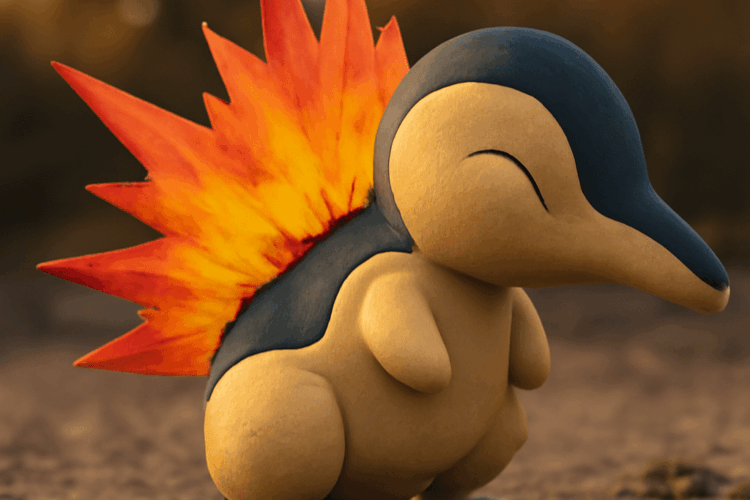
- Johto (Gold/Silver/Crystal): Chikorita (Grass), Cyndaquil (Fire), Totodile (Water). Cyndaquil is generally considered the easiest for new players due to its favorable matchups, while Chikorita can pose a tougher challenge.
- Hoenn (Ruby/Sapphire/Emerald): Treecko (Grass), Torchic (Fire), Mudkip (Water/Ground). Mudkip stands out thanks to its Water/Ground evolution, which only leaves it vulnerable to Grass—rare in early Hoenn.
- Sinnoh (Diamond/Pearl/Platinum): Turtwig (Grass/Ground), Chimchar (Fire/Fighting), Piplup (Water/Steel). Chimchar’s dual Fire/Fighting type gives it a strong offensive role, while Piplup’s final Steel-typing grants valuable resistances for late-game battles.
These classic starters are beloved for their straightforward designs and effective evolutionary lines. Their roles are well-documented, and nostalgic fans often return to their favorites generation after generation.
Unova to Paldea: Modern starter Pokémon
The later generations introduce more experimentation in starter design, secondary types, and regional story integration:
- Unova (Black/White): Snivy (Grass), Tepig (Fire/Fighting), Oshawott (Water). Tepig’s line continues the Fire/Fighting trend, while Oshawott becomes Water/Steel in its final form in later regional games (like Legends: Arceus).
- Kalos (X/Y): Chespin (Grass), Fennekin (Fire/Psychic), Froakie (Water/Dark). Froakie’s Greninja is notably popular for its speed and Hidden Ability, making it a competitive favorite.
- Alola (Sun/Moon): Rowlet (Grass/Flying then Grass/Ghost), Litten (Fire/Dark), Popplio (Water/Fairy in final form). Rowlet’s unique Ghost-type adds new strategy, while Litten’s Incineroar became a mainstay in competitive battling.
- Galar (Sword/Shield): Grookey (Grass), Scorbunny (Fire), Sobble (Water). Scorbunny’s Cinderace shines for its Libero ability, giving it unmatched flexibility.
- Paldea (Scarlet/Violet): Sprigatito (Grass), Fuecoco (Fire/Ghost), Quaxly (Water/Fighting). Fuecoco’s Skeledirge boasts powerful special attack and unique resistances, making it a standout in the latest generation.
Modern starter Pokémon reflect new gameplay mechanics, such as regional forms, unique abilities, and creative type combinations. Their evolutions bring fresh excitement to each generation and allow trainers to explore new strategies as the franchise evolves.
Notably, some starters now gain special forms or signature moves, making them more versatile and competitive than ever before. Choosing between them means considering both in-game challenges and long-term battles on the competitive scene.
How to choose the best starter Pokémon for your playstyle
The best starter Pokémon depends on your personal approach to the game. Are you looking for a smooth journey through gyms, a challenge, or a particular type of battle style?
- Beginner-friendly: Pick a starter whose type and moves offer advantages against early gyms or tough opponents. For example, Bulbasaur in Kanto or Mudkip in Hoenn can give you an easier start.
- Challenge seekers: Choose a starter with early disadvantages, such as Chikorita in Johto, and build your team to overcome tough matchups. This adds more strategy and growth to your adventure.
- Competitive battlers: Consider starters with powerful final evolutions, versatile movepools, or strong abilities. Greninja, Incineroar, and Cinderace have all shined in competitive play.
- Story and connection: Sometimes, you might just want to pick the Pokémon you like best. If you love a design or personality, that bond can make your entire journey more memorable.
It’s also worth considering your team-building goals. Some starters help round out type coverage or fill key roles for your in-game or post-game team. Think about the Pokémon native to your game’s region and which starter will complement the options you catch later.
Finally, if you’re aiming for shiny hunting or completing the Pokédex, some starters are easier to obtain in other ways, letting you pick based strictly on your adventure preferences.
Tips for making the most of your starter Pokémon
Once you’ve chosen your starter Pokémon, a few strategies will ensure they remain powerful and valuable throughout your journey:
- Keep your starter on your main team to maximize experience gain and ensure they evolve as soon as possible. Most starters reach their final forms around level 36, unlocking their full stats and movepools.
- Teach your starter a range of moves using TMs, Move Tutors, or Egg Moves if available. This can cover their weaknesses and give them a tactical edge in battles.
- Pay attention to abilities—modern starters often have Hidden Abilities that dramatically alter their performance. Examples include Greninja’s Protean or Cinderace’s Libero.
- Incorporate your starter into double battles or contests where their unique moves or abilities can shine. For example, Incineroar’s Intimidate makes it invaluable in double battles.
- Don’t be afraid to evolve early—there’s rarely a penalty for letting your starter reach their final form, unless you want them to learn a move at a specific lower level.
If you plan to compete online or in local tournaments, raise your starter with optimal natures, EV spreads, and abilities. Breeding for Hidden Abilities or shiny forms can also make your partnership even more special. Above all, let your starter Pokémon lead the way—you’ll find their strengths and quirks become a central thread in your RPG adventure.