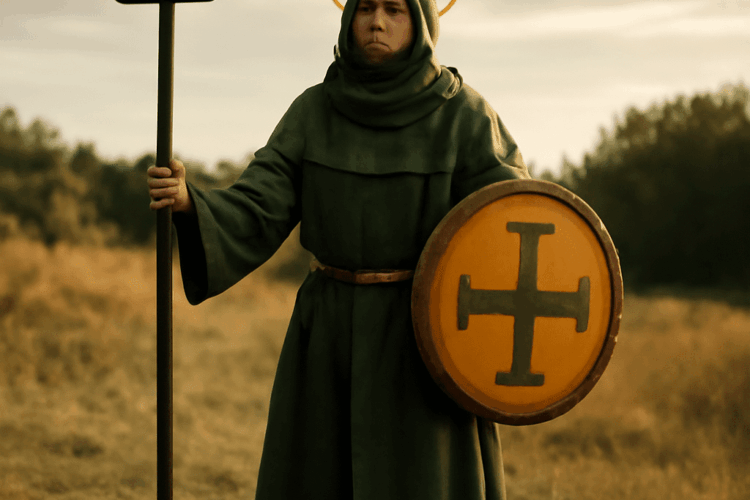
In Dungeons & Dragons 5th Edition (D&D 5e), cleric domains define a cleric’s divine focus and grant access to unique abilities, spells, and proficiencies. Choosing the right domain is crucial as it shapes your character’s role in the party and their connection to their deity. This guide explores the concept of cleric domains, popular cleric 5e subclasses, the significance of cleric saving throws, and tips on selecting the ideal domain for your character.
What are cleric domains?
Cleric domains in D&D 5e represent the divine aspect of a cleric’s deity that they strive to embody. Each domain offers a distinct set of features, including domain spells, bonus proficiencies, and unique abilities that help define a cleric’s role within a group. These domains can encompass a wide array of concepts, such as Life, Light, Trickery, and War, each offering advantages and play styles suited to the cleric’s faith and mission. At level 1, clerics choose a domain that aligns with their deity and, by extension, their character’s ideals.
Exploring popular cleric 5e subclasses
There are several compelling cleric subclasses in D&D 5e, each offering unique advantages and challenges:
- Life Domain: Focused on healing and protection, Life clerics are exceptional at keeping their party alive. They gain access to powerful healing spells and abilities like Disciple of Life, which enhances their healing spells.
- Light Domain: Light clerics excel in offensive magic, particularly against dark creatures. They gain spells that enhance their combat capabilities and have abilities like Warding Flare, which allows them to impose disadvantage on enemy attacks.
- War Domain: These clerics are formidable in combat, with access to martial weapons and abilities that improve their physical prowess. War clerics can benefit from features like War Priest, allowing them additional attacks in battle.
- Trickery Domain: Trickery clerics use deception and illusions to their advantage. They gain spells that emphasize misdirection and abilities like Blessing of the Trickster, enhancing their stealth capabilities.
The role of cleric saving throws
Cleric saving throws are integral to defining a cleric’s resilience against various magical and physical challenges. In D&D 5e, clerics typically have proficiency in Wisdom and Charisma saving throws. Wisdom saving throws are particularly valuable as they protect against mind-altering effects and illusions. Charisma saves, though less common, help resist effects that target a character’s force of personality or presence.
Understanding and leveraging these saving throws can significantly impact a cleric’s effectiveness. Choosing spells and abilities that complement these proficiencies can bolster a cleric’s ability to protect themselves and their allies.
Choosing the right cleric domain for your character
Selecting the right cleric domain is a crucial decision for any player, as it influences the cleric’s abilities and role within the party. Here are some factors to consider:
- Party Composition: Consider the needs of your party. If your group lacks healing, a Life Domain cleric might be invaluable. For parties needing more damage-dealing capabilities, a Light or War Domain cleric could be more fitting.
- Character Backstory: Your character’s background and personality may naturally align with certain domains. A character with a history of deception might gravitate towards the Trickery Domain.
- Preferred Play Style: Think about how you enjoy playing. If you prefer direct confrontation, War Domain can enhance your combat abilities. Alternatively, if you favor subtlety and support, Trickery or Knowledge Domains may suit you.
By carefully considering these aspects, you can choose a cleric domain that enhances both your enjoyment of the game and your character’s contributions to the party’s success.