The moral alignment test is a fascinating tool used in game design to define characters’ ethics and values. Originating from tabletop RPGs like Dungeons & Dragons, this framework allows players to explore the moral spectrum through their choices and actions. By categorizing characters into nine distinct alignments, games can offer a rich tapestry of narrative possibilities. Let’s delve into how these tests influence storytelling and player engagement, from the alignment quiz to the chaotic neutral test.
What is the moral alignment test?
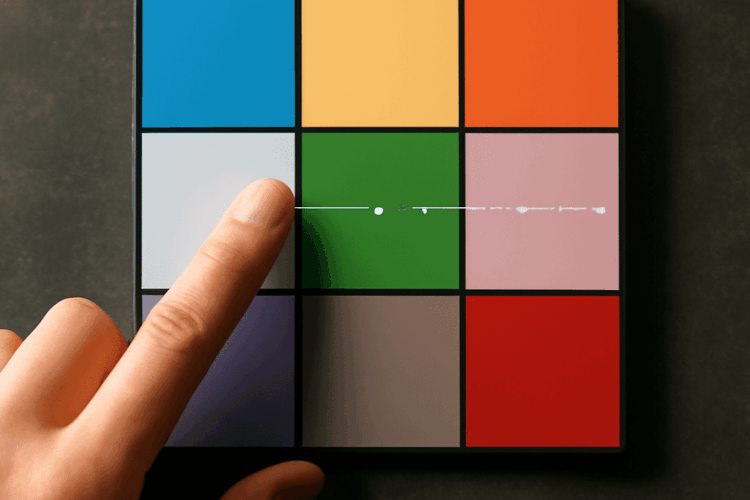
The moral alignment test provides a structured way to assess a character’s ethical and moral perspective. Typically, it divides into nine categories based on two axes: law vs. chaos and good vs. evil. This matrix helps define whether a character adheres to laws and traditions, operates independently, or leans towards benevolence or malevolence.
For instance, a character might be labeled as “lawful good,” meaning they strive to follow rules and help others. Conversely, a “chaotic evil” character might revel in anarchy and harm. By using these alignments, game developers can create nuanced characters whose actions reflect their moral standing.
How the alignment quiz shapes game narratives
The alignment quiz is a tool that players often encounter during character creation. It helps them decide where on the moral spectrum their characters fall, influencing game narratives significantly. This choice impacts story arcs, character interactions, and even quest outcomes.
In narrative-driven games, alignment can determine how NPCs react to the player. A quest might have multiple resolutions depending on whether a player is acting from a place of lawfulness or chaos. This branching narrative keeps players engaged, as their moral choices lead to unique story developments.
Exploring the chaotic neutral test in games
The chaotic neutral test is a specific subset of the moral alignment framework. Characters with this alignment prioritize personal freedom above all else, often acting unpredictably. They’re neither inherently good nor evil, making them complex and intriguing.
In games, a chaotic neutral character might be unpredictable, making choices that serve their interests at the moment. This unpredictability can lead to surprising and engaging narrative twists. Game designers often use this alignment to introduce humor or unexpected obstacles, keeping the gameplay dynamic and exciting.
Implementing alignment tests in racing modes
While typically associated with RPGs, alignment tests can also find a place in racing games. By integrating moral alignments, developers can add layers to player interactions and racing strategies. A “lawful” racer might adhere strictly to rules, while a “chaotic” one might bend them for a competitive edge.
This implementation can change how players experience the game, turning a straightforward race into a strategic battle of ethics and tactics. Alignments can also influence team dynamics, with players strategizing based on their moral outlooks to achieve victory.
Overall, the moral alignment test offers a versatile tool in game design, enriching narratives and player engagement across genres. By understanding its impact, developers can craft experiences that challenge and entertain players, making each choice feel meaningful.