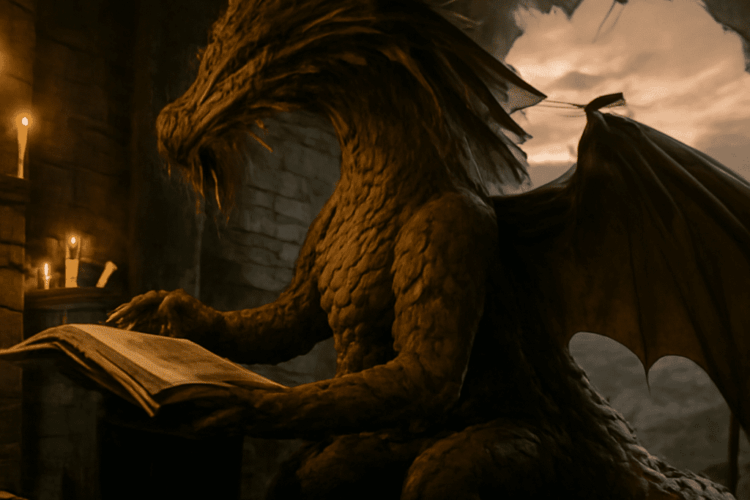
Metallic dragons are among the most iconic and versatile creatures in fantasy tabletop RPGs, especially Dungeons & Dragons. Known for their shimmering scales and generally benevolent nature, these dragons embody the archetype of powerful but principled beings who often champion justice, wisdom, and balance. Whether you are a player or a Dungeon Master (DM), understanding metallic dragons provides endless opportunities to enrich your campaigns with memorable characters, epic conflicts, and moral nuance.
What are metallic dragons in RPGs?
In most fantasy RPGs, metallic dragons are a distinct category of true dragons, defined not only by their lustrous, metal-like scales but also by their alignment and behaviors. Unlike their chromatic counterparts (such as red or black dragons, who are usually malevolent), metallic dragons are typically good-aligned. They are often protectors, sages, or even deities in some settings, using their immense power to foster harmony rather than chaos.
Metallic dragons serve multiple roles: wise mentors, formidable allies, or even enigmatic adversaries whose goals may clash with those of the party for noble reasons. Their presence in a campaign instantly signals a story with high stakes and deep themes, as they rarely involve themselves in mortal affairs without reason. In classic D&D lore, metallic dragons are divided into several main types, each with its own personality, abilities, and story hooks.
Encountering a metallic dragon can be a turning point for any adventuring party. These dragons often act as quest-givers, guardians of lost knowledge, or judges of great disputes. Their long lives and broad perspective make them valuable sources of lore and guidance, but their immense power means interacting with them requires both respect and caution.
All metallic dragons share certain core traits: a natural affinity for magic, the ability to shapeshift into humanoid forms, and an unwavering sense of morality (even if their concept of good may seem alien or intimidating to mortals). Their motivations and methods, however, are as varied as the metals they represent.
Types of metallic dragons and their unique traits
There are five primary types of metallic dragons that recur across RPGs, especially in Dungeons & Dragons: gold, silver, bronze, brass, and copper. Each has a distinct appearance, breath weapon, personality, and preferred environment, making them unique in both roleplaying and combat.
- Gold dragons: The most powerful and revered of metallic dragons, gold dragons are wise, noble, and driven by a near-divine sense of justice. Their scales gleam like burnished gold, and they often dwell in remote mountains or ancient ruins. Their breath weapons include fire and a weakening gas. Gold dragons are famed for their wisdom and willingness to mediate disputes or offer guidance, but their high standards can make them seem aloof or even judgmental.
- Silver dragons: Known for their kind hearts and fascination with humanity, silver dragons have shimmering silver scales and often disguise themselves as helpful mortals. They favor cold, mountainous regions and can breathe both freezing cold and a paralyzing gas. Silver dragons are the most likely to interact directly with adventurers, sometimes even joining parties in humanoid form to better understand or guide them.
- Bronze dragons: These dragons are drawn to coastlines and sea cliffs, and their scales resemble aged bronze. Bronze dragons have a strong sense of duty and are natural warriors, often intervening in conflicts to support just causes or defend the innocent. Their breath weapons include electricity and a repulsion gas. They enjoy observing humanoids, especially those involved in valorous or heroic deeds.
- Brass dragons: The most talkative and curious, brass dragons live in arid deserts and love nothing more than conversation. Their scales have a warm, brassy hue. They can breathe fire or a sleep-inducing gas. Brass dragons are chaotic good, often mischievous, and may draw adventurers into lengthy discussions or riddles before revealing their true purpose.
- Copper dragons: Pranksters and riddlers, copper dragons have scales like burnished copper and prefer rocky hills or badlands. Their breath weapons are acid and a slowing gas. Copper dragons are less concerned with grand quests and more interested in clever puzzles, jokes, and challenges. They might test adventurers with games before offering aid.
These metallic dragon types offer a range of in-game possibilities, each providing different social encounters, combat challenges, and potential rewards. Their habitats, abilities, and personalities can serve as the foundation for memorable stories and dynamic roleplaying.
Role of metallic dragons in campaign storytelling
Metallic dragons can be integrated into RPG campaigns in countless ways, serving as central figures or background influences depending on your narrative goals. For DMs, metallic dragons offer opportunities to introduce moral complexity, as these creatures may challenge adventurers to consider not just what is right, but why it is right. Encountering a gold dragon who refuses to intervene in a local conflict, or a copper dragon who insists on a contest of wits before offering help, adds depth to otherwise straightforward plots.
In many campaigns, metallic dragons function as quest-givers or patrons. Their long lives and far-reaching interests mean they may ask players to recover ancient artifacts, broker peace between kingdoms, or halt the rise of an evil force. Because they often disguise themselves as mortals, a metallic dragon’s true nature may not be revealed until a key story moment, creating dramatic revelations and plot twists.
Metallic dragons are also excellent sources of lore and magical aid. A silver dragon might provide cryptic prophecies or legendary weapons, while a brass dragon could share forgotten histories over long conversations. The dragon’s lair itself can become a focal point for adventure, filled with magical defenses, puzzles, and treasures reflecting the dragon’s unique personality and values.
Finally, the presence of metallic dragons can shift the tone of a campaign—introducing themes of redemption, sacrifice, and the weight of history. They can act as both barometers of the world’s moral climate and catalysts for significant change, ensuring that their inclusion always carries narrative weight.
Tips for using metallic dragons as a player or DM
For DMs: When including metallic dragons in your campaign, focus on their personalities and motivations as much as their powers. Think about what drives your dragon—justice, curiosity, mischief, or wisdom—and let that shape their interactions with the party. Use their ability to shapeshift to introduce them in unexpected ways, perhaps as a mysterious benefactor or a challenging rival. Remember that metallic dragons are not omniscient or infallible; give them flaws and limits to keep encounters meaningful and surprising.
To make combat encounters with metallic dragons more memorable, leverage their unique breath weapons, lair actions, and magical abilities. For social encounters, present moral dilemmas or riddles that reflect the dragon’s worldview. Encourage players to think beyond fighting; negotiation, creative problem-solving, and roleplaying should all be viable approaches.
For players: If your character seeks the guidance or aid of a metallic dragon, research their lore and temperament beforehand. Approach these beings with respect and honesty, as most metallic dragons value integrity and cleverness over brute strength. When interacting with a dragon, think about what your character can offer in return—a service, a secret, or a show of wit may earn their favor where gold alone cannot.
Consider how your character might react to the moral challenges posed by a metallic dragon. Will you accept a quest that tests your principles? Can you outwit a copper dragon with a clever riddle, or persuade a gold dragon to lend its power to your cause? By engaging with the unique nature of metallic dragons, you can create richer stories and unforgettable moments for your campaign.