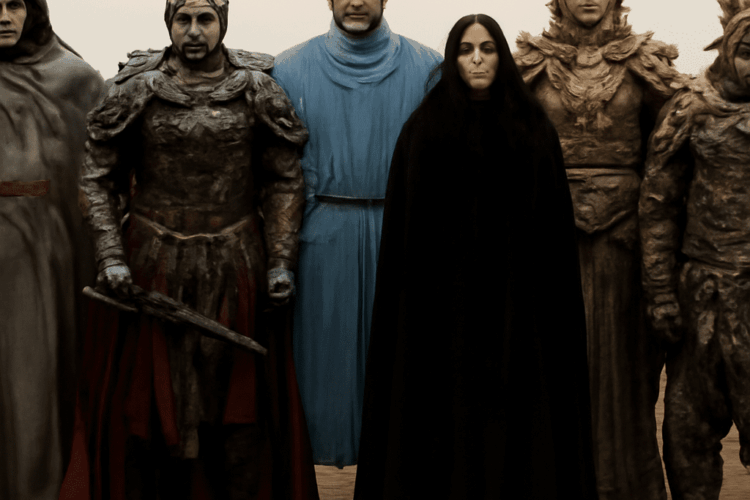
Clerics are one of the most iconic and versatile classes in role-playing games (RPGs), blending divine magic, martial prowess, and spiritual guidance. Whether you’re embarking on a classic Dungeons & Dragons campaign or exploring another tabletop or digital RPG, understanding what makes clerics unique is essential for both players and game masters. This complete guide explores their defining features, abilities, deity choices, and practical tips to help you build and play an effective cleric character.
What is a cleric in RPGs?
A cleric in RPGs is a divine spellcaster and servant of a higher power, typically acting as a healer, protector, and intermediary between mortals and the gods. Most RPG systems portray clerics as essential support for any adventuring party, equipped with spells that heal wounds, cure ailments, and bolster allies. However, clerics are far from passive medics. They often wield formidable weapons, don armor, and channel divine energy to smite foes or ward off supernatural threats.
In a typical fantasy RPG, the role of the cleric revolves around their relationship with a deity or divine force. This connection grants them access to sacred magic, which differentiates them from arcane spellcasters like wizards or sorcerers. Clerics can turn or destroy undead, invoke blessings, and sometimes even bring the recently deceased back to life. Their presence in a party ensures resilience, enabling groups to survive dangerous encounters that might otherwise prove fatal.
Unlike druids, who draw power from nature, or paladins, who combine martial and magical abilities with a code of conduct, clerics’ powers are rooted in faith and devotion. In many game systems, this makes clerics the primary conduit for divine intervention, capable of both miraculous healing and righteous wrath. Their ability to adapt to various roles—combat, support, utility, and even leadership—makes them one of the most flexible classes in RPGs.
The exact portrayal of clerics varies between systems. Some games allow for heavily armored battle-priests, while others focus on contemplative mystics or zealous exorcists. Regardless of flavor, the combination of magic, martial skill, and devotion is what defines clerics in RPGs.
Core abilities and features of clerics
Clerics stand out for their unique blend of magical and physical prowess, making them invaluable in almost any situation. The core abilities and features of clerics include spellcasting, channel divinity, proficiency with certain weapons and armor, and the ability to turn undead.
Spellcasting: Clerics are full spellcasters, drawing upon a wide array of divine spells. Healing is a signature aspect, with spells like Cure Wounds and Healing Word available from early levels. However, cleric spell lists also include buffs (such as Bless), defensive spells (like Shield of Faith), control effects (Hold Person), and powerful offensive magic (Guiding Bolt, Spiritual Weapon).
Channel Divinity: This ability allows clerics to channel the power of their deity for extraordinary effects. The most universally recognized use is Turn Undead, which compels undead creatures to flee or be destroyed. Depending on their chosen domain, clerics can also channel divinity for domain-specific effects, such as inflicting radiant damage or granting temporary hit points to allies.
Weapon and Armor Proficiency: Unlike many other spellcasters, clerics are often proficient with medium or even heavy armor, as well as simple weapons and sometimes martial weapons. This makes them durable front-line combatants or reliable second-line defenders who can protect more vulnerable party members.
Divine Domains: Upon character creation, clerics choose a divine domain—a thematic set of powers and spells that reflects their deity’s influence. Domains provide unique abilities and expand the cleric’s spell list, allowing for significant customization. Domains such as Life, War, Light, Trickery, and Knowledge offer distinct playstyles and tactical options.
Clerics also often gain resilience against disease, possess rituals for sacred rites, and enjoy regular access to powerful restoration magic. Their ability to prepare spells daily from a vast list means they can respond to nearly any challenge with the right preparation. This versatility, combined with their protective and restorative gifts, cements the cleric as a pillar of any adventuring group.
Choosing a deity and domain
Selecting a deity is one of the most meaningful decisions when creating a cleric. In most RPG systems, your cleric’s divine patron shapes their worldview, ethical code, roleplaying opportunities, and access to specific powers. The chosen deity often determines the cleric’s domain, which is a central feature of the class.
Deity Selection: While some campaigns use established pantheons like those in Dungeons & Dragons’ Forgotten Realms or Pathfinder’s Golarion, others encourage players to invent unique deities or align with broad concepts such as justice, nature, or death. Deities usually have associated alignments, portfolios (such as life, war, knowledge, or trickery), and favored weapons or rituals.
Domain Choice: Domains grant clerics unique abilities and additional prepared spells. For instance, the Life Domain offers enhanced healing and protection, ideal for players who want to serve as the party’s primary healer. The War Domain provides martial bonuses and encourages direct combat, while the Light Domain excels at dealing radiant damage and revealing hidden threats. Each domain changes how the cleric plays:
- Life: Exceptional healing and resilience, best for support roles.
- War: Bonus weapon proficiencies and offensive spells, great for battle-focused clerics.
- Light: Radiant damage, blinding effects, and anti-undead abilities.
- Trickery: Illusion and stealth magic, suiting clever or subversive playstyles.
- Knowledge: Enhanced skill use and divination, perfect for investigator or advisor roles.
Choosing a domain not only determines the character’s combat style but also their place in the party and the narrative. It’s important to consider both the mechanical benefits and the thematic resonance with your cleric’s backstory and goals. Some domains lend themselves to charismatic leaders, others to silent guardians or scholarly mystics. Reflect on what kind of divine mission motivates your cleric and how their faith affects their actions in the world.
Tips for building and playing a cleric
Building a strong cleric character starts with understanding your party’s needs and your preferred playstyle. Do you want to be a frontline defender, a healing specialist, or a divine damage dealer? Prioritize your ability scores accordingly: Wisdom is vital for spellcasting, while Strength or Constitution boosts your durability in combat.
When selecting spells, focus on versatility. Prepare a mix of healing, support, and offensive spells, and don’t overlook utility options like Detect Magic or Remove Curse. Because clerics can prepare a new set of spells each day, review upcoming challenges and tailor your choices for maximum impact. Spells like Spiritual Weapon and Spirit Guardians provide strong damage options, while Bless and Aid are reliable buffs that scale throughout your career.
Effective cleric play involves more than just spellcasting. Use your armor and weapons to protect allies and intercept threats when needed. Channel Divinity is a limited but powerful resource—use it strategically to turn the tide against undead or trigger domain abilities at crucial moments. Remember, positioning is key: stay within range to heal, buff, or intervene, but avoid unnecessary exposure to area attacks.
Finally, embrace the roleplaying possibilities of your cleric’s faith and personality. Engage with fellow party members, NPCs, and the world from a perspective shaped by your deity’s teachings. Whether you’re a compassionate guardian or a zealous enforcer, your cleric’s beliefs can drive memorable interactions and storylines. By balancing combat effectiveness with spiritual commitment, you’ll become the heart and conscience of your adventuring party.